


Opinion: Europe’s Changing Summer Season
Oliver BroadPublished: 8th July 2026
With the summer season now in full swing, it has been interesting to observe some clear shifts in travel patterns, both amongst our RB Family and across the wider industry. Influenced by rising temperatures, major events and an increasing desire to escape the crowds, the traditional structure of the European summer holiday is evolving.
Traditionally, July and August dominated as peak travel months, driven largely by the six-week school holiday period. In recent years, however, September has firmly joined this peak window. For those travelling without children, delaying a summer holiday by a few weeks has become increasingly appealing, and as a result, September is now commanding peak-season pricing across many short-haul beach destinations, particularly within the adult-only and luxury hotel space.
Families, meanwhile, are becoming more strategic. Rather than focusing solely on the summer break, many are now making greater use of the May and October half terms. These periods can offer excellent value and a more relaxed experience, albeit with slightly less predictable weather, which in turn links to one of the biggest drivers of change.
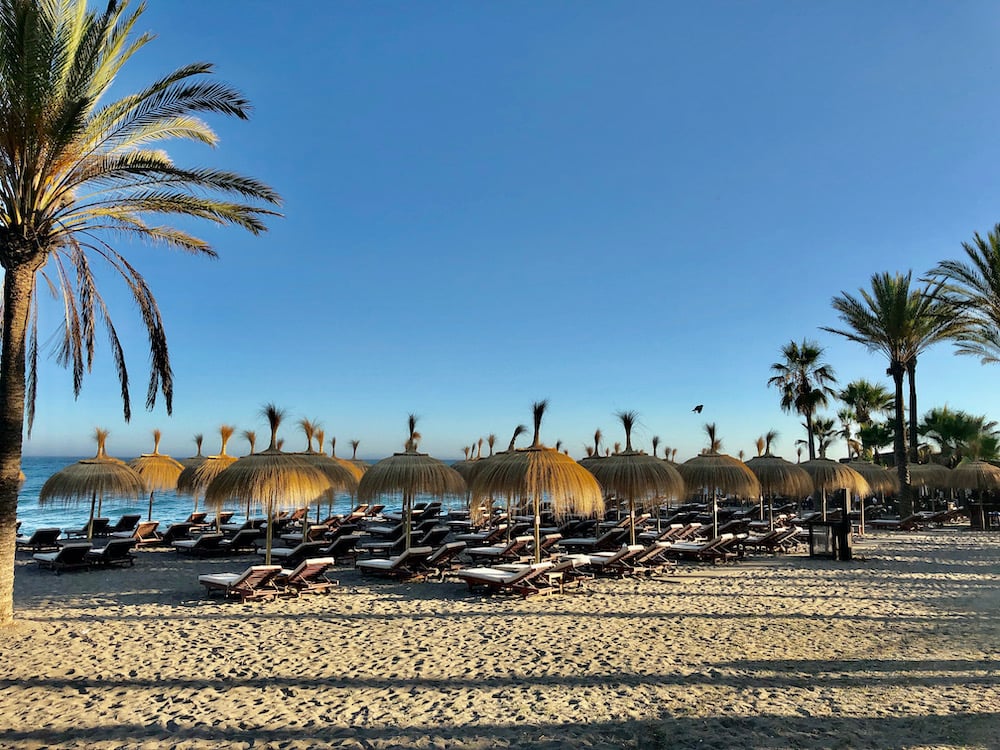
Marbella Club Beach, Photograph ©RB Collection Archive
There is no denying that European summers are becoming hotter. Destinations such as Greece, Turkey and southern Spain are now regularly experiencing temperatures that many travellers would prefer to avoid at their peak. In response, we are seeing a clear shift in both demand and supply. Seasons are extending, with destinations such as Crete, Cyprus, Turkey and southern Spain keeping hotels open much later into the autumn, and in some cases year-round (including one of my personal favourites, Marbella Club (pictured above)). Airlines are following suit, with increased flight schedules well beyond the traditional summer window.
For our clients, this shift is often enhancing the overall experience. Travelling in May or October (or even November in some cases) can mean access to the same exceptional hotels and villas, but with greater availability, more attentive service and a noticeably calmer atmosphere.
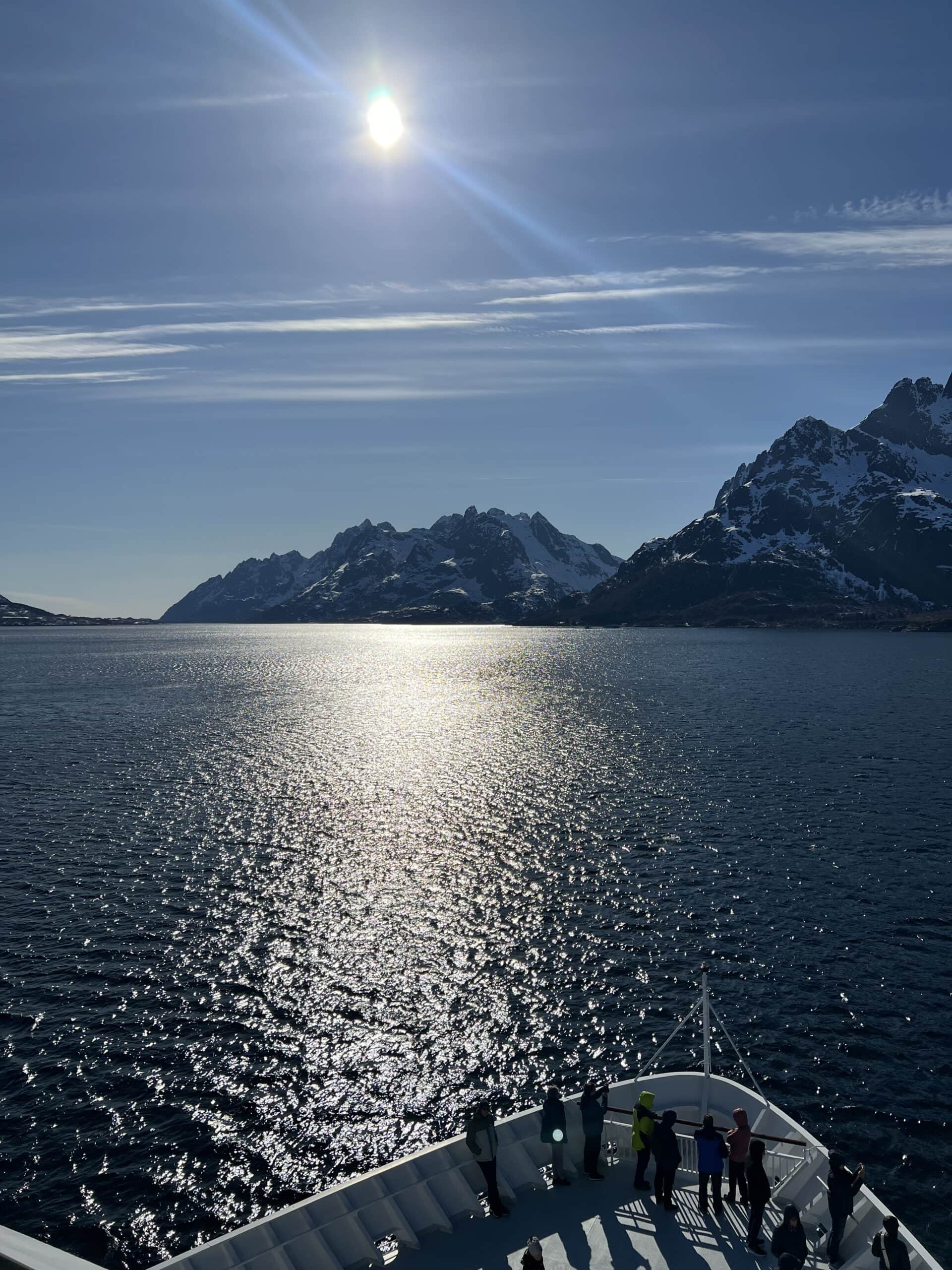
Norway Havila Cruise, ©RB Collection Archive
At the same time, there has been a marked increase in demand for cooler summer destinations. The Nordics continue to grow in popularity, offering fresh air, dramatic landscapes and a sense of space that is becoming harder to find in southern Europe during peak months. No-fly cruises from Southampton to Scandinavia are selling out quickly, often requiring booking a year in advance to secure the best suites. Finland is also emerging as a particularly appealing option, ideal for a fly-drive itinerary with excellent infrastructure, beautiful scenery and far fewer crowds than neighbouring Norway during the summer season.
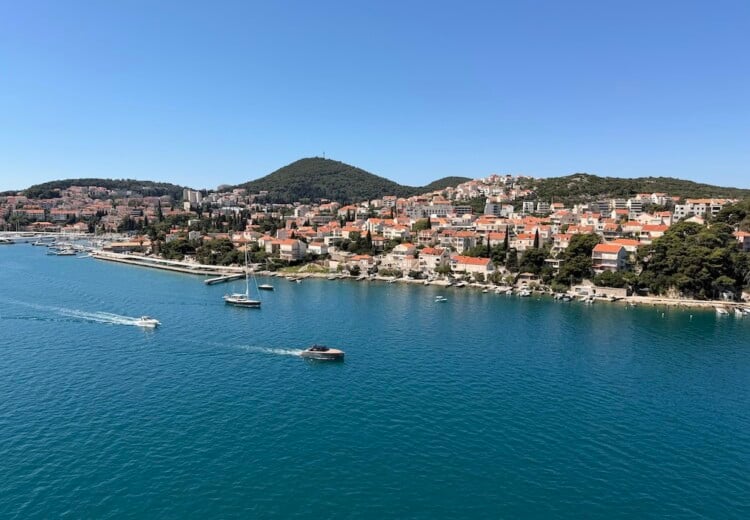
Overtourism remains a significant challenge in well-known destinations such as Venice and Dubrovnik. While measures such as increased tourist taxes are being introduced, these rarely deter visitors and instead shift how travel needs to be planned. In response, we are increasingly designing itineraries at RB that work around peak pressure points, whether that involves selecting smaller cruise ships, travelling on quieter days or incorporating lesser-known regions and experiences. For luxury travellers in particular, this is also driving demand for more private, curated experiences, from exclusive guiding to private boat charters and access to more remote locations.
Another notable shift is how trips are being structured. The traditional one-week, single-destination holiday is gradually being replaced by more flexible, multi-stop itineraries. Clients are increasingly combining different climates and experiences within one trip, pairing cities with coastlines or cooler mountain regions with warmer destinations, allowing for a more balanced experience during hotter months. This is also great fun for us as we can get more creative with your holidays!
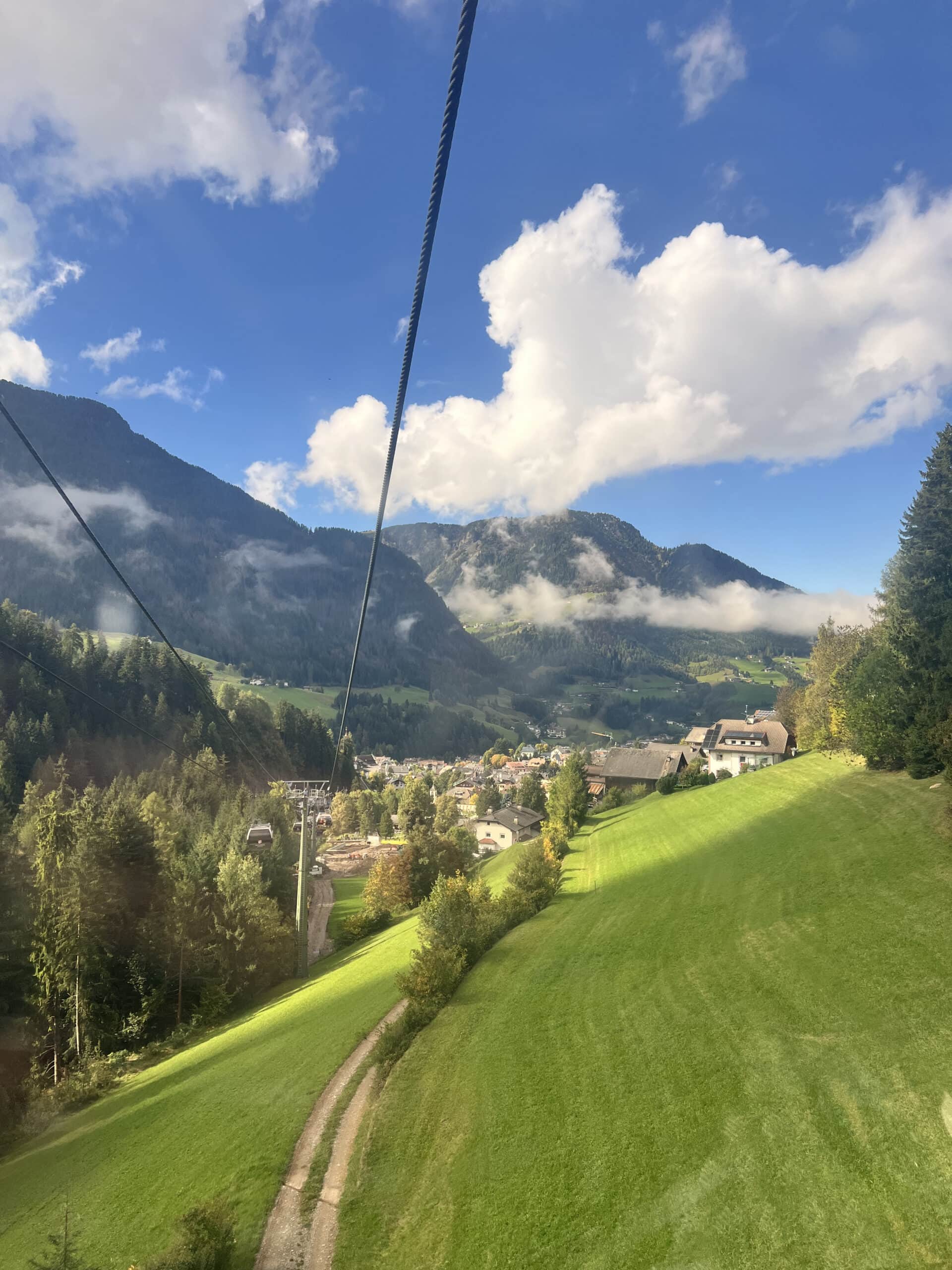
Ortisei South Tyrol Italy Dolomites, ©RB Collection Archive
A trip I took to the Dolomites is a good example of this. Originally planned for peak summer, it was repositioned to late September and combined with time in Munich during Oktoberfest. The result was a far more varied and rewarding experience, with lower prices, fewer crowds and a mix of seasonal conditions, from warm, clear days to crisp alpine air and even early snow on some of the higher mountain hikes.
One of the most significant underlying shifts is booking behaviour. What was once a three- to six-month planning window has extended considerably. For peak summer travel, particularly in August and now increasingly September, many of the most sought-after hotels and villas are being secured nine to twelve months in advance. For cruises and more complex itineraries, this can extend to twelve to eighteen months for the best availability. Even shoulder season travel is no longer a last-minute opportunity in the way it once was.
Many of the hotels we work with are smaller boutique properties so do keep this in mind, it is likely that you have to book a lot earlier and we can help advise of that when we start planning.
While these changes may initially seem to create more complexity, they ultimately open up far greater opportunity. A longer season, broader destination choice and more flexible travel patterns allow for more creative and rewarding trips. It also presents the chance for better value, as travelling just outside the traditional peak can offer a superior overall experience without compromising on weather or quality.
With more flight routes, improved rail connections and extended hotel seasons, it is now easier than ever to combine multiple destinations into one seamless itinerary. At the same time, destinations such as northern Spain, Santander for example, offer a compelling alternative during the height of summer, with lush landscapes and far more comfortable temperatures compared to the intense heat further south.
Ultimately, travel is becoming less about fixed seasons and more about informed timing. Planning around climate, events and demand rather than tradition allows for a far more tailored and enjoyable experience. If you are considering a summer or early autumn trip, planning earlier and approaching your dates with flexibility will unlock the best options. We are already making bookings for 2029 so it is never too early to start planning!
Contact us


